Destination
Nepal
Duration
30
Destination
Nepal
Duration
30
Trip Difficulty
Challenging
Accommodation
Tea House and Tent
Meals
B, L, & D
Max. Elevation
6812
Group Size
15
Best Time
Sept - Nov & March - May
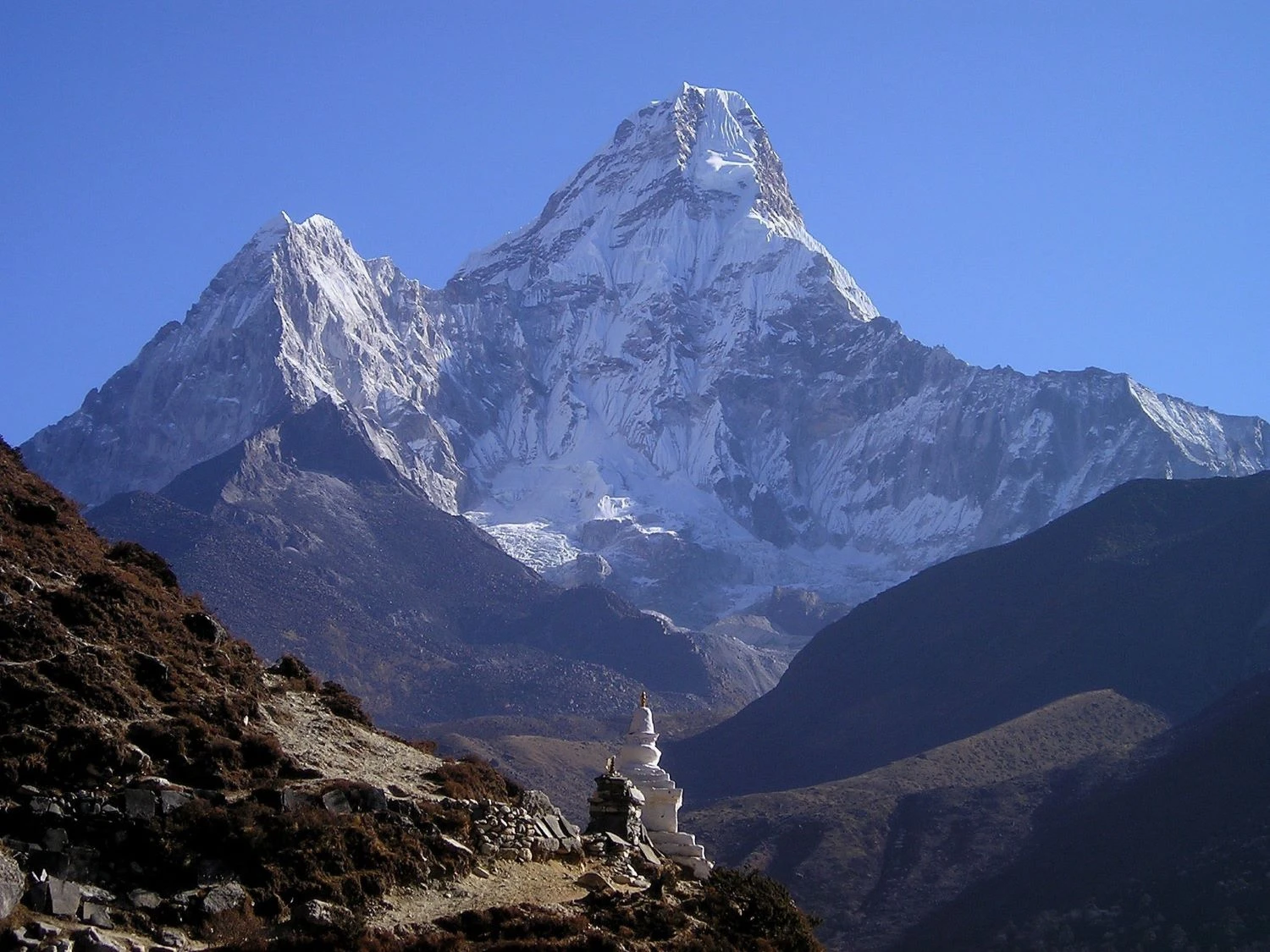
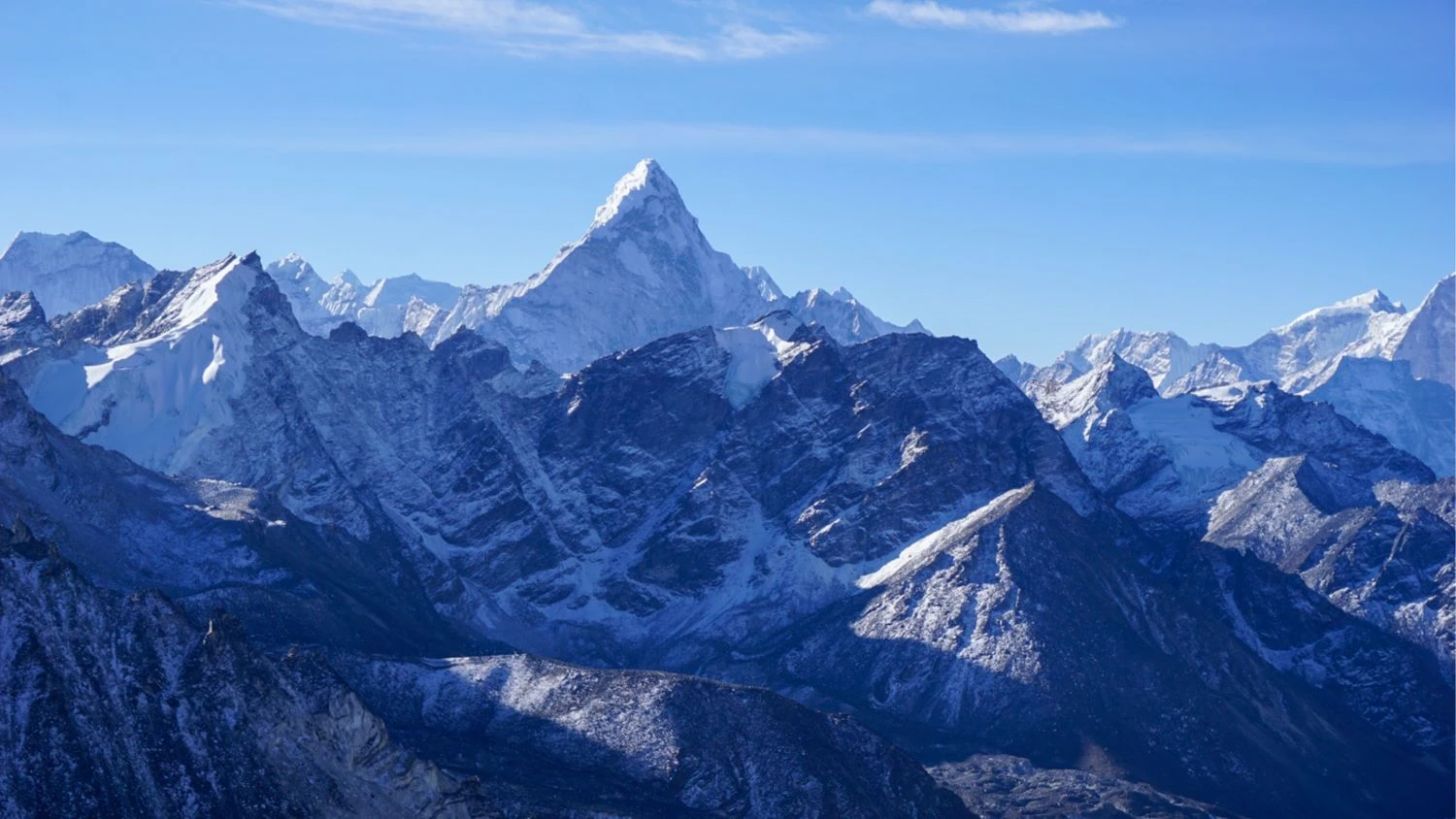
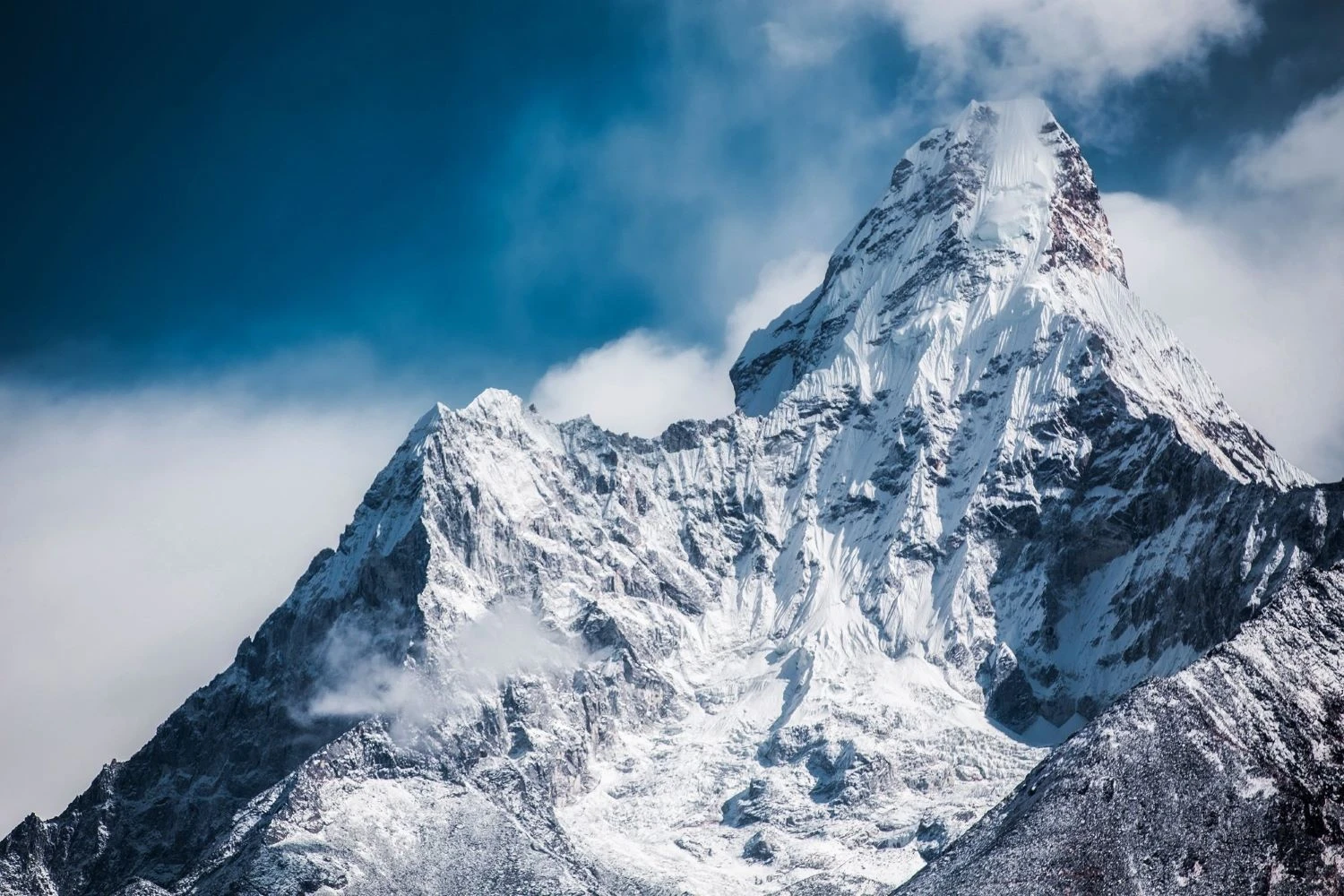
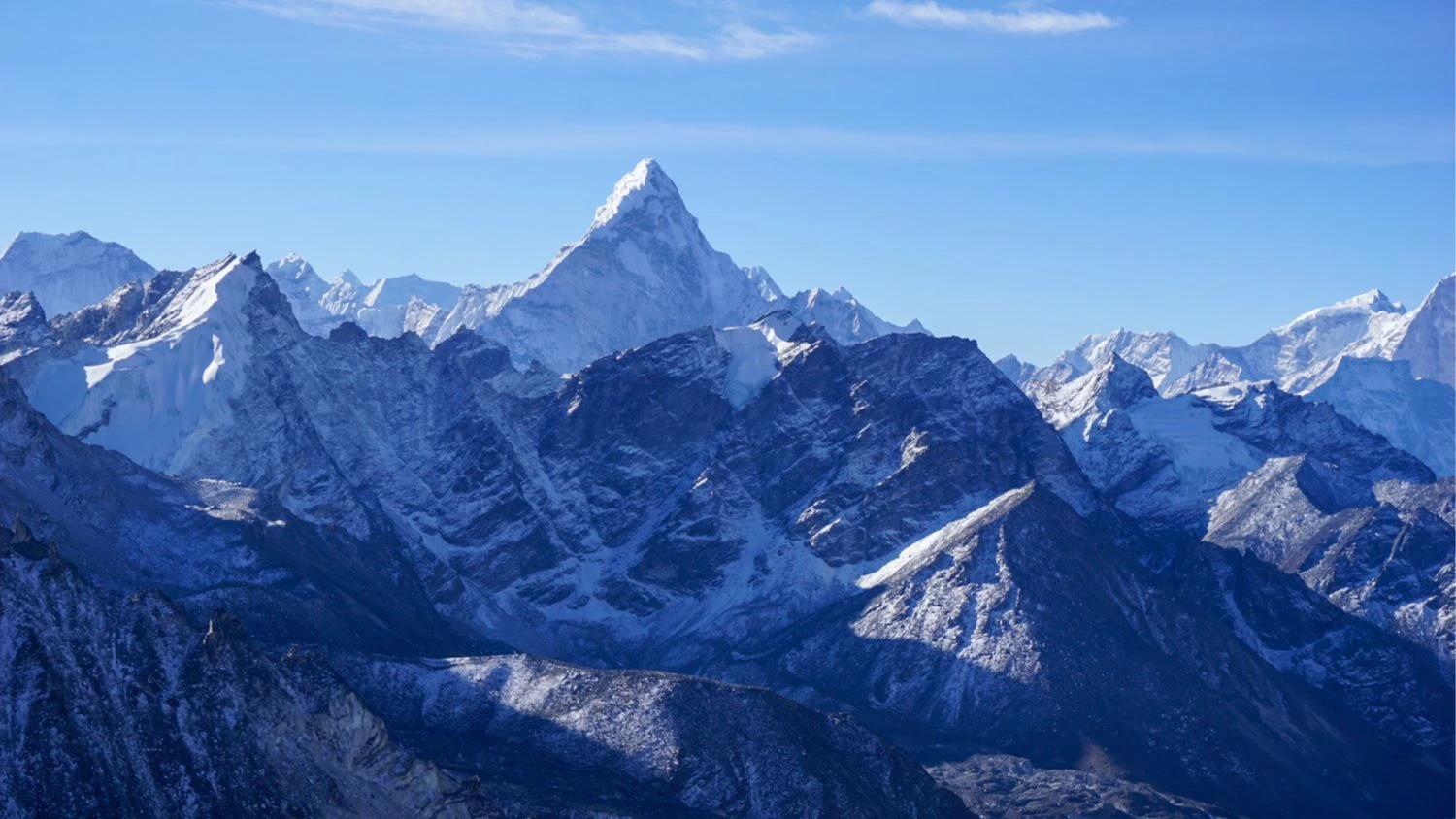
Ama Dablam Expedition is one of the technical and visually stunning climbs in Nepal, standing at 6,812 meters in the heart of the Khumbu region. Known as the “Matterhorn of the Himalayas,” this peak offers a challenging alpine climb combining rock, ice, and exposed ridge sections.
Unlike trekking peaks, Ama Dablam demands prior mountaineering experience, making it an ideal choice for climbers preparing for 7000m and 8000m expeditions. With its iconic Southwest Ridge route, breathtaking views of Everest, Lhotse, and Nuptse, and a high success rate among guided expeditions, it remains one of the most sought-after climbs in the Himalayas.
| Feature | Details |
|---|---|
| Elevation | 6,812 m / 22,349 ft |
| Location | Everest Region (Khumbu), Nepal |
| Mountain Range | Himalayas |
| First Ascent | 1961 |
| First Climbers | Mike Gill, Barry Bishop, Mike Ward, Wally Romanes |
| Meaning of Name | “Mother’s Necklace” (Sherpa/Tibetan origin) |
| Difficulty Level | Technical Alpine Climb |
| Popular Route | Southwest Ridge |
| Best Climbing Seasons | Spring (Apr–May) & Autumn (Oct–Nov) |
| Permit Authority | Nepal Mountaineering Association |
| Nearby Peaks | Mount Everest, Lhotse |
| Nickname | “Matterhorn of the Himalayas” |
Choosing Ama Dablam Nepal for climbing is your decision that combines adventure, challenge, incredible scenery with iconic and stunning peak. Ama Dablam is located at an altitude of 6,812 meters (22,349 ft) which is often called as the Matterhorn of the Himalayas by the trekkers and climbers. As the mountain is sharp and elegant in shape.
The climbing is demanding but Achievable. Its perfect for you if you want to test your technical mountaineering skills or want to learn.
The summit takes part inside the Khumbu region which home to the sherpa community. So, this walk will also give you an opportunity to experience the Himalayan sherpa culture, traditional villages, traditional and local foods.
While walking you will feel the true deep sense of accomplishment. Unlike any other trekking peaks you will need to have a proper planning, skill, perseverance and the mindset. The peak is also the training expeditions for the above 8000 meters peaks due to the exposure of high attitude conditions, technical climbing, glaciers navigations, use of crampons, ropes and the axes.
In 1959, Sir Edmund Hillary the first man to summit Everest looked at Ama Dablam and called it unclimbable. For two years the mountain stood untouched, sharp and defiant against the Khumbu sky.
Then on March 13, 1961, four scientists not professional mountaineers reached the summit and quietly rewrote what was possible in the Himalayas. Barry Bishop, Mike Gill, Wally Romanes, and Mike Ward proved that with the right preparation, the right team, and the right mindset, Ama Dablam could be climbed.
It has been climbed thousands of times since. The same Southwest Ridge. The same Yellow Tower. The same narrow summit ridge with the same breathtaking drop on either side.
The mountain that Edmund Hillary called impossible is waiting. The only question is whether you are ready.
Summit 8000 is a Sherpa-owned expedition company based in Kathmandu with over a decade of guided climbs in the Khumbu region. Every expedition we run on Ama Dablam is led by Sherpas who have personally summited the peak multiple times and know the Southwest Ridge in every season and weather condition.
We handle everything from permit applications and logistics to acclimatization scheduling and emergency support so that you arrive focused entirely on your climb. Our team does not use a one-size-fits-all approach. Your itinerary, your rotation schedule, and your summit day timing are all adjusted to your fitness level and the live weather conditions on the mountain.
What sets us apart is not just the logistics. Our Sherpa guides genuinely care whether you summit safely. They will tell you honestly when to push and when to turn back. That honesty is why many of our clients who do not summit on their first attempt come back the following season and succeed with us.
| Camp | Altitude | Typical Stay | Key Challenge |
|---|---|---|---|
| Base Camp | 4,570 m / 14,994 ft | 3–4 days | Acclimatization |
| Camp I | 5,800 m / 19,029 ft | 1–2 days | Rock scrambling |
| Camp II | 6,000 m / 19,685 ft | 1–2 days | Fixed rope sections |
| Camp III | 6,400 m / 20,997 ft | 1 day | Exposure and extreme cold |
| Summit | 6,812 m / 22,349 ft | 1–2 hours | Yellow Tower push |
| Permit | Issued By | Cost (USD) | Valid For |
|---|---|---|---|
| Ama Dablam Climbing Permit | Nepal Mountaineering Association | $400 | One climbing season |
| Sagarmatha National Park Entry | Department of National Parks and Wildlife Conservation | $22 | Duration of trek |
| Khumbu Rural Municipality Fee | Khumbu Pasang Lhamu Rural Municipality | $20–30 | Duration of trek |
The best seasons to climb Ama Dablam are spring and autumn, offering stable weather, better visibility, and higher summit success rates compared to winter and monsoon.
| Season | Months | Temperature | Wind | Visibility | Crowd Level |
|---|---|---|---|---|---|
| Spring | Mar – May | Mild | Moderate | Good | High |
| Autumn | Sep – Nov | Cold | Stable | Excellent | Very High |
| Winter | Dec – Feb | Extreme | Very High | Poor | Very Low |
| Monsoon | Jun – Aug | Wet | Unpredictable | Poor | Very Low |
Ama Dablam is not a beginners climb. Before applying for this expedition you should honestly assess whether you meet the following requirements:
Prior experience needed: at least one previous high-altitude trek above 5,000m such as Everest Base Camp or Island Peak, basic technical climbing skills including rope work, crampon use, and ice axe handling, and comfort with exposed ridge walking at altitude.
Physical fitness benchmarks: you should be able to hike 6 to 8 hours consecutively with a loaded pack, complete a 10km run comfortably, and have no underlying cardiovascular or respiratory conditions.
Recommended preparation: begin a structured training programme at least 6 months before departure combining cardio, strength training, and weekend hiking with a weighted pack. Prior guided climbs on peaks such as Island Peak or Lobuche East are strongly recommended as preparation.
If you are unsure whether you qualify, contact our team and we will assess your experience honestly.
The Southwest Ridge is the standard and most popular route on Ama Dablam, first climbed in 1961 and used by virtually every guided expedition today. The route begins at base camp at 4,570m and follows a logical progression through three distinct technical sections before reaching the summit at 6,812m.
The Lower Ridge (Base Camp to Camp I — 5,800m) The climb begins with moderate rock scrambling and fixed rope sections leading from base camp up to Camp I. This section introduces climbers to the exposure and rhythm of Himalayan technical climbing. The terrain is rocky with some snow and ice patches depending on the season.
The Middle Section (Camp I to Camp II — 6,000m) Above Camp I the ridge narrows and the technical difficulty increases. Fixed ropes are in place throughout this section. Climbers move through mixed rock and ice terrain with increasing exposure on both sides of the ridge. Camp II sits on a small ledge with dramatic views of Everest and Lhotse directly across the valley.
The Upper Ridge (Camp II to Camp III — 6,400m) This is where Ama Dablam reveals its true character. The ridge becomes sharply exposed and the climbing requires careful movement on fixed ropes across mixed terrain. Camp III is perched at 6,400m on one of the most dramatically positioned campsites in the Himalayas with near vertical drops on either side.
The Yellow Tower (Camp III to Summit — 6,812m) The Yellow Tower is the crux of the entire route. Located above Camp III at approximately 6,600m it is a steep rock band requiring UIAA Grade IV climbing ability. This is the section that separates Ama Dablam from lower technical peaks and the reason prior climbing experience is non-negotiable.
Above the Yellow Tower the Grey Tower presents a second challenging mixed section before the final narrow summit ridge leads to the top.
Standing on the summit you have 360 degree views of the greatest concentration of high peaks on earth including Everest, Lhotse, Nuptse, Makalu, and Cho Oyu.
Ama Dablam Base Camp sits at around 4,600 meters and is one of the most scenic and accessible viewpoints of the iconic Ama Dablam peak. Located above Pangboche village in the Khumbu region, this base camp offers a close-up perspective of the mountain’s striking ridges and hanging glacier.
Reaching the base camp is relatively straightforward compared to technical climbs in the region. The trail branches off from the main Everest Base Camp route and gradually ascends through alpine terrain, yak pastures, and open valleys. It’s a popular acclimatization hike for trekkers heading higher into the Everest region, as well as a rewarding standalone destination.
From the base camp, you get uninterrupted views of Ama Dablam’s southwest face, along with surrounding peaks like Island Peak and Lhotse. The area is also used by climbers preparing for summit attempts, so you may see expedition tents during climbing seasons.
Ama Dablam Camp II, located at roughly 5,900 to 6,000 meters, is a completely different world compared to base camp. This is part of the technical climbing route and is only accessible to experienced mountaineers with proper gear, guides, and climbing permits.
The route to Camp II involves steep rock climbing, exposed ridges, and fixed ropes. One of the most famous sections is the “Yellow Tower,” a challenging vertical rock face that climbers must ascend before reaching higher camps.
Unlike base camp, Camp II is not a trekking destination. It sits high on the mountain, offering dramatic exposure and breathtaking views but also significant risk. Climbers use this camp for acclimatization and as a staging point before pushing toward higher camps and the summit.
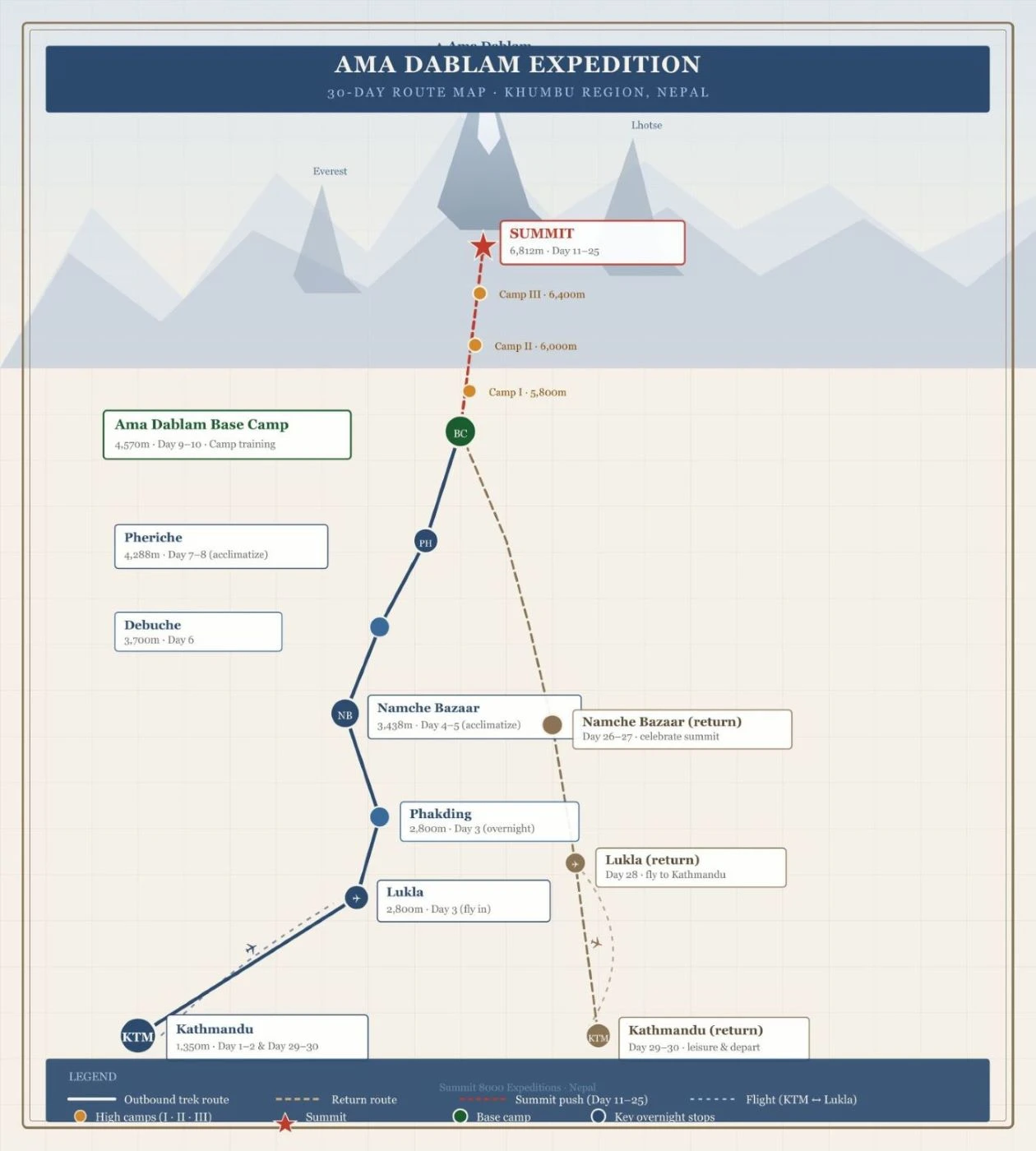
Namaste and we welcome you to the city of the temples, history, culture and traditions Kathmandu. You will be arriving at the Tribhuvan International Airport which is the gateway to Nepal. Upon your arrival you can complete the visa and immigration works. One of the Summit 8000 team member will be waiting for you at the arrival gate and after meeting he will drive you to the hotel in Thamel. In the evening you can have the stroll in the vibrant streets of Thamel and enjoy the delicious local foods that are available.
Today you will be your trip preparation day. You will meet your guide who will brief you about the packing lists that will be required during the summit, climbing and trekking time. You will need to rent and buy the items required with your guide help. Your guide will also help you to get the permits from the Tourism Board Office. And if you have time you might visit to the Swayambhunath Stupa for the short hiking in the evening.
Early in the morning, after the breakfast your driver with the expedition guide will come to pick you up at your hotel. After that you will drive to the airport and from there you will fly to Lukla. The flight time will be of 30 to 35 minutes. Upon arrival you will trek to Phakding. The gateway to the Everest region in Nepal.
You will trek to the Namche Bazar from the Phakding. The trek will be of 6 to 8 hours depending upon your pace and the hiking experience. The trail will be steep passing via the beautiful pine and Rhododendron forests. You will be crossing the several suspension bridges over the Dudh Koshi river. As you pass you will see the small village located on the backdrop of the big giant mountains which is also the main trading hub inside the Khumbu region.
Acclimatization is very important part for the trekking and climbing peak so that your body can adopt the thin air of the high altitudes. In order to make it happen today will be acclimatization for you. You will hike to the Everest view hotel from where you can enjoy the beautiful mountain ranges of the world’s highest mountain Mount Everest and its surrounding ranges. After that you can explore the local market in the Namche. Spend your time in the mountains were if you want you can do the meditations and yoga in the monastery or in your tea house as well.
After acclimating yourself in the Namche you will head towards the Pangboche which is a small village in the Khumbu region known for its peace surroundings and the beautiful views of the rhododendron forests. As you walk you will feel the cold air of the mountains and you will see the first glimpse of the Ama Dablam peak which you will be summiting.
Finally, on the day 7th your dream will come true to walk to the Ama Dablam peak base camp. As you walk you will get the close-up views of the Ama Dablam Southwest face which is stunning and eye catching. You will walk via the glacier river which is known as the Imja khola. Upon reaching the base camp your true adventure will start. Your personality and mindset will be changed from the trekker to the climber.
You will be having the training as well the acclimatization so that you can make your dream come true. You will learn about the how to fix the rope, ice and rock-climbing techniques, use of crampons, ice exes and many more. Don’t worry they will not teach everything in a single day. You will have some safety drills and team work so that you can coordinate and our team can take you back to Kathmandu safely.
This is one of the most physically and technically demanding days of the expedition on Ama Dablam. After an early breakfast at Base Camp, you begin your ascent, moving steadily through Camp I and Camp II before pushing higher toward Camp III. The route becomes increasingly exposed, following narrow ridgelines, fixed ropes, and steep rock sections that require precise footwork and strong rope-handling skills. As you gain altitude, the air becomes thinner, making every step more effortful. Camp III is located on a small, precarious ledge beneath the hanging glacier, offering limited space but incredible views of the surrounding peaks. Upon arrival, you settle in, hydrate, and rest as much as possible while preparing mentally and physically for the summit push.
After spending a night at high altitude, you carefully descend from Camp III back to Camp II. Although downhill, this section is far from easy, as the steep and technical terrain demands full concentration. Fixed ropes assist your descent along rock faces and exposed ridges. Returning to Camp II provides a safer and more comfortable environment, where you can properly rest, replenish energy, and monitor your condition. This day is crucial for recovery and preparation before the summit attempt.
Summit day begins in the early hours, often around midnight or before dawn. Equipped with headlamps, you begin the climb in cold, dark conditions. The route involves a mix of rock, snow, and ice climbing, with steep pitches and technical sections requiring careful navigation. As the sun rises, the surrounding Himalayan giants come into view, motivating you through the final ascent. Reaching the summit of Ama Dablam is a truly rewarding moment, offering breathtaking 360-degree views of Everest, Lhotse, Makalu, and the Khumbu region. After a short time at the top for photos and celebration, you begin a careful descent, typically returning to Camp II or lower, depending on conditions and team strength.
Following the summit push, you continue descending from the higher camps back to Base Camp. The journey down feels significantly easier as you leave behind the technical climbing sections. With decreasing altitude, breathing becomes more comfortable and energy levels improve. Upon reaching Base Camp, you are welcomed with warmth, rest, and a sense of accomplishment after completing the climb.
After packing up and saying farewell to Base Camp, you begin the trek back toward Namche Bazaar. The trail winds through alpine landscapes, yak pastures, and traditional Sherpa villages. The descent is gradual and enjoyable, allowing you to fully appreciate the beauty of the Khumbu region after the intensity of the climb.
Today’s trek takes you from Namche down to Lukla, marking the final stage of your trekking journey. You cross suspension bridges over the Dudh Koshi River, pass through dense forests, and walk through small settlements. Although it’s a long day, the lower altitude makes it more manageable. Upon arrival in Lukla, you can relax and celebrate the completion of your expedition with your team.
You take an early morning scenic flight from Lukla back to Kathmandu. The short flight offers stunning aerial views of the Himalayas one last time. After landing, you transfer to your hotel, where you can enjoy a hot shower, comfortable bed, and a well-deserved rest after weeks in the mountains.
This day is dedicated to expedition debriefing and reflection. You’ll meet with your guides and team to review the climb, discuss experiences, and celebrate your achievement. Certificates may be distributed, and it’s also a great opportunity to explore Kathmandu, enjoy local cuisine, or simply relax and recover.
Your journey concludes with your departure from Kathmandu. Depending on your flight schedule, you may have some free time for last-minute shopping or sightseeing. You leave Nepal with unforgettable memories, new experiences, and the incredible achievement of summiting Ama Dablam.
Altitude Graph
The Ama Dablam peak is located in the Khumbu region of eastern Nepal inside the Sagarmatha National park. It is situated to the south of the mount Everest and can be seen during the walk from the Debuche.
Ama Dablam means mothers necklace which translate as: Ama means mother and Dablam means double pendant worn by sherpa women
Technically yes, Ama Dablam is harder than Everest for its steep rock climbing, exposed ridges, mixed terrains but the altitude is only 6,812 meters (22,349 feet) however Everest altitude is above 8000 meter which is why its more difficult and needs self discipline, endurance, and long expeditions periods.
It generally takes 25 to 30 days to climb Ama Dablam including the arrival in Kathmandu and departure.
Ama Dablam is rated as the D(Difficult) to TD (very difficult) considering the steep ice walls, narrow exposed ridges, rock climbing up to UIAA grade IV and heavy reliance on the fixed ropes.
No, a beginner cannot climb Ama Dablam climbing the peak requires the previous trekking experience, along with the knowledge of the ice climbing, rope work, crampons, and ascenders.
No, you will not need oxygen to climb Ama Dablam as the peak is below than the 7000 meters. Most of the climbers summit the peak without any oxygen.
You shall start your preparation before by trekking in the mountains, hiking, and then learning about the rope climbing, by doing technical climbing training, by making yourself physically and mentally fit.
The difficulty level of the Ama Dablam peak is moderate to challenging depending upon your previous experience and physical fitness level.
The hardest part of Ama Dablam is yellow tower which is steep rock climbing, grey tower which is exposed mixed climbing, and the summit ridge which is narrow knife ridge.
The common mistakes in mountain climbers are poor acclimatization, not understanding technical difficulty, carrying excessive weight, inadequate training, ignoring the weather windows and not listening to the sherpa guides.
The best season to climb Ama Dablam is during the autumn which is September to November due to the stable weather and spring which is from march to may for its warm temperatures.
The cost to climb Ama Dablam is around 7500 USD to 15,000 USD depending upon various factors like the seasons you are choosing, companies you are selecting, level of service, logistics and supports and many more.
The packing list for the Ama Dablam depends upon the various factors such as the seasons and company logistics. In average you will need double or triple layer high altitude boots, crampons and axes, climbing harness, helmet, ascenders, down suit and down jackets, technical gloves and mittens, personal medical kit, headlamps and many more.
You will need three permits for the Ama Dablam summit which are: • Ama Dablam Climbing Permit • Sagarmatha National Park Permit • Khumbu Rural Municipality Permit
Ama Dablam has three high camps above base camp. Camp I is at 5,800m, Camp II at 6,000m, and Camp III at 6,400m. Climbers typically rotate between these camps multiple times before their summit push to acclimatize properly.
The Yellow Tower is the most technically demanding section of the Ama Dablam Southwest Ridge route. Located above Camp III at approximately 6,600m, it is a steep rock band requiring UIAA Grade IV climbing on fixed ropes. Most guided expeditions use pre-fixed ropes through this section installed by lead Sherpa teams at the start of each season.
The Puja ceremony is a Buddhist blessing ritual performed at Ama Dablam base camp before every expedition begins. Led by a Lama, the ceremony asks the mountain deities for safe passage and permission to climb. All Sherpa guides consider it mandatory regardless of client preference and it typically takes place on Day 10 of the itinerary at base camp.
During the walk foods with proper nutrition is very important for you to maintain your energy, strength and the altitude acclimatization. The foods will be carefully designed for you to balance calories, proteins, carbon hydrates, and hydrations so that you can easily trek and ascend.
The foods options are divided in three categories which is lower camps, base camps and the high camps. As you ascend the food options becomes limited. Let’s, talk in detailed:
Lower camps which mean the trek from the Lukla to Pheriche. The altitude during this period of the walk is slightly lower compared to the base camp which makes the easy availability of the food options.
You can find plenty of options like the Dal Bhat (rice with lentil soup), Momo (Dumplings), Noodles and pastas, Soups and stews, bread and Omelette, porridge, eggs and toasts and many more.
As you reach the base camps the foods options become limited due to the higher altitude of the camp which is 4650m. In this place there is no transportation and the foods are carried by the porter or the helicopter which makes it hard for the foods to have available like the lower camps.
However, as the expeditions cooks are well experienced, they only provide the foods which is nutritious and healthy for you. So, you can except the foods like the Dal Bhat, Momo, Plenty of soups and stews, dried foods and nuts, energy bars and the powders, hot chocolates and many more.
High camps are the place above the base camps were cooking and everything is done by the expeditions cooks and helpers. Here you will get the foods options like the base camp along with taking care of your appetite and taste.
Frequent small meals will be provided instead of the heavy meals. The expeditions team will take care of your preference of foods.
Accommodations during the expeditions is organized according to your preference in the cities and during the walk. You can except the things like:
When you are inside the city then you can except the accommodations like the 3 stars hotel with the suite rooms with attached bathroom, hot showers, TV, WIFI, breakfast and the full services.
When you are walking till the base camp you can except the accommodations like the twin sharing basis room till the Pheriche. You will be staying in the local tea houses and lodges which is run by local sherpa families staying there.
You will have the shared washroom or attached according to your preference. Hot showers maybe available during the stay. Wi-Fi will be provided but the speed might be slow and it can only be used to call friends and scroll internet.
During the base camp and the high camps at an altitude of the 4500 meters above you will stay in the high-altitude tents. The tent will be organized by the summit 8000 expert expeditions teams. The tents will be shared on the twin sharing basis which you will need to share with your fellow climber.
The space might be tight in the tents and its above the 4500 meters due to which the its always exposed to the winds and colds. You will get sleeping bags, blankets, pillows and some important items. The tents are temporary and will be changed accordingly to your itinerary.
| Peak | Altitude | Difficulty | Technical Skill Required | Avg Cost (USD) | Days | Best For | Action |
|---|---|---|---|---|---|---|---|
| Ama Dablam | 6,812 m | TD | High | $7,500 | 30 | Experienced climbers wanting technical challenge | View Details |
| Island Peak | 6,189 m | PD | Low–Medium | $2500 | 17 | First-time high altitude climbers | View Details |
| Mera Peak | 6,476 m | PD | Low | $2700 | 17 | Trekkers wanting their first summit | View Details |
| Lobuche East | 6,119 m | AD | Medium | $2,500 | 14 | Intermediate climbers building skills | View Details |
| Baruntse | 7,129 m | D | High | $7500 | 32 | Climbers preparing for 8000m peaks | View Details |
| Everest | 8,849 m | D | Very High | $46,800 | 90 | Elite climbers with full expedition experience | View Details |
 Nepal
Nepal
 21
21  Sept - Nov & March - May