
How Difficult is the Manaslu Expedition
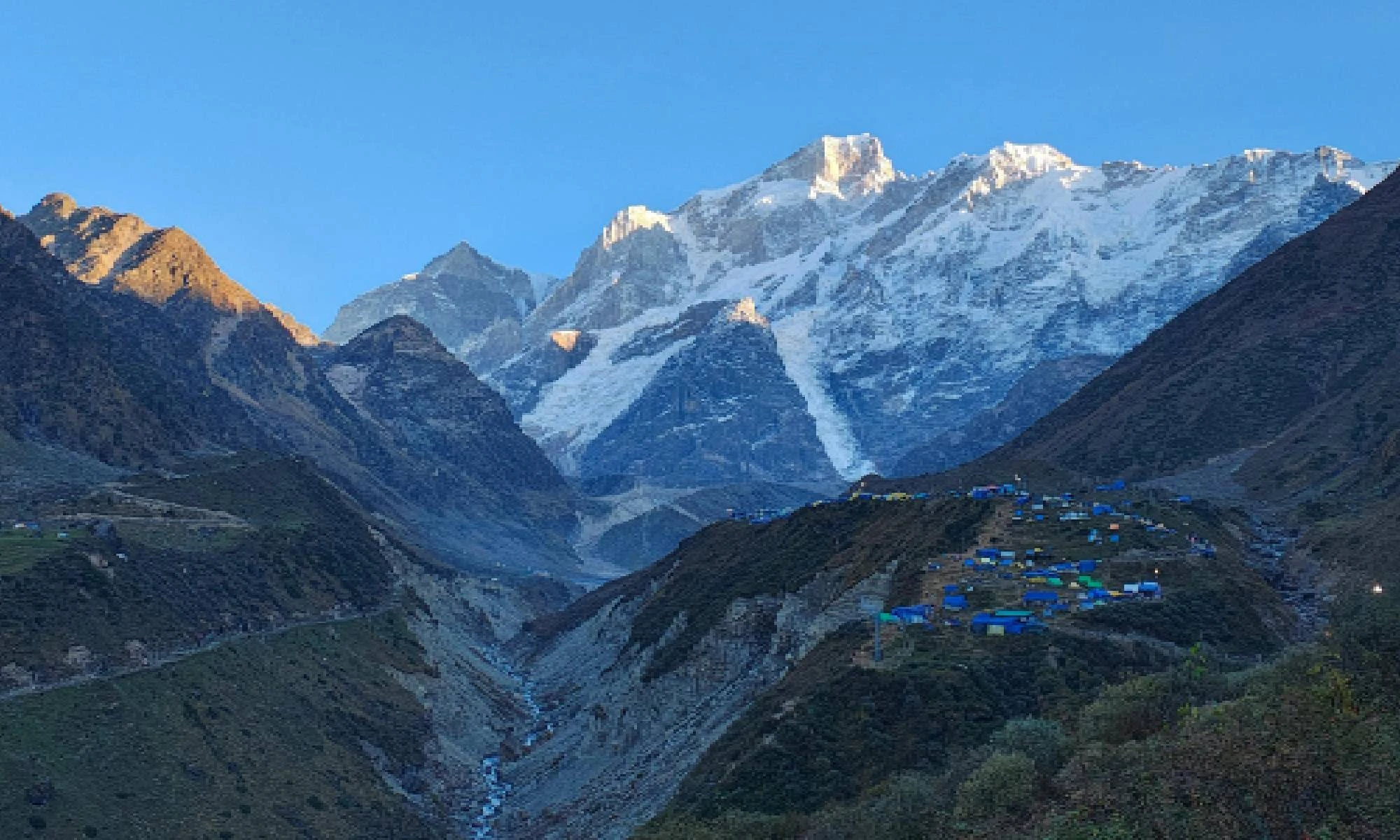
Planning to attempt the Manaslu Expedition and wondering if you're truly ready for the challenge? You're in the right place. In this guide, we'll break down the experience level, fitness requirements, and technical skills you need so you arrive prepared, not surprised.
Let's dive in: just how difficult is the Manaslu Expedition?
Overview of Manaslu: The World's Eighth Highest Peak
Before starting about the difficulty lets start with the background of the world’s 8th highest peak which is situated at an altitude of 8,163 meters (26,781 feet) above sea level. It is located inside the Gorkha district of Nepal and is the part of the Mansiri Himalayan range.
It was first summited on May 9 1956 by the Japanese expedition led by Toshio Imanishi and Gyalzen Norbu. The climbers use the Northeast Face via the North Col route which was established by the Japanese expedition team.
The peak acts as the training peak for the climbing Mount Everest or the Mount K2. People choose the Cho Oyu peak for the expedition from the Tibet side as training to Everest. But Manaslu helps you better. It is mainly climbed in the Autumn and spring.
Manaslu Difficulty Rating: How Does It Compare to Other 8000m Peaks?
The difficulty level of Manaslu is considered as the challenging. Yes, you heard it right although it’s a first time friendly 8000-meter peak still its challenging and not easy like the 6000 meters peaks. The reasons for difficulty are due to the extreme altitude in the death zone, high avalanche risk, technical ice sections, unpredictable weather, and temperatures to -30°C near the summit.
The success rate for the Manaslu summit is around 40 to 50% depending upon the company to company. As of summit 8000 we have 80% summit success rate because sometimes trekkers might feel sick, sometimes weather might change suddenly, sometimes some natural calamites happen. No company can give you 100% summit success rate no one knows what will happen the next moment.
Previous Mountaineering Experience Required
Before attempting an 8000-meter peak expedition like Manaslu, prior mountaineering experience is essential. You are generally expected to have experience trekking and climbing peaks in the 6000 to 7000-meter range before progressing to Manaslu.
This background helps you understand how the mountains affect the body and mind, how to handle challenging situations, and how to respond to high-altitude conditions. It also ensures you are comfortable with multi-day alpine camping, gear management at altitude, and basic self-rescue techniques.
If you have no previous mountaineering experience, it is strongly recommended to start with high-altitude treks such as the Annapurna Base Camp trek, Manaslu Circuit trek, or Everest Base Camp trek. After gaining trekking experience, you can move on to climbing introductory peaks like Island Peak, Lobuche Peak, or Mera Peak. Building this progression helps develop the skills and confidence needed for higher and more demanding expeditions like Manaslu.
Physical Fitness and Endurance: What Level Do You Need?
When you are climbing 8000-meter Manaslu peak it’s important for you to be physically fit so that you can complete your expedition without any difficulties. And the mountains demand the elite-level cardiovascular fitness. You must be capable of 8–12-hour days of uphill movement carrying 10–15 kg in freezing conditions.
To gain this its important for you to make an Aerobic base which involves the running 10/15 km with out getting tired and cycle for hours. You must train your body to legs, core, and upper body must sustain repetitive effort for days. Read our details blog on the topic: Physical fitness required for the Manaslu expedition.
Technical Skills Required for Manaslu
So, while dreaming of climbing Manaslu you might be thinking what are the technical skills that are required to climb Manaslu? Well, you should know how to use the crampons, and navigate through the steep icy terrain. You should be able to use ice were having knowledge of self-arrest, plunging, and belaying. You should know how to use the Jumar/ascender technique. Also, it is suggested to have Rappelling on descent.
You should have some knowledge of Knot tying and Crevasse rescue techniques, understand the supplemental oxygen system, and have the glacier travel skill.
High-Altitude Experience and Acclimatization for Manaslu Summit
Climbing Manaslu is not just about fitness or technical skills, it is heavily dependent on how well your body adapts to high altitude. Above 5000 meters, oxygen levels drop significantly, and once you enter the “death zone” above 8000 meters, your body starts to deteriorate instead of recovering.
That’s why proper acclimatization is extremely important. A well-structured rotation between higher camps and lower camps allows your body to slowly adjust and produce more red blood cells to carry oxygen efficiently. Without proper acclimatization, climbers are at high risk of Acute Mountain Sickness (AMS), HAPE, or HACE.
On Manaslu expeditions, teams usually follow a gradual climb-high, sleep-low strategy with multiple rotations between Base Camp, Camp I, Camp II, and Camp III before pushing for the summit. Even experienced climbers respect this process because skipping it can be life-threatening.
Mental Toughness: The Psychological Demands of Manaslu
Manaslu is not only a physical challenge; it is a mental battle as well. Long exposure to cold, isolation, fatigue, and low oxygen levels can heavily impact your mental state.
You may face situations where your body is exhausted, weather is delaying your summit push, or your motivation is breaking down. In these moments, mental strength becomes the deciding factor between turning back or continuing forward.
Successful climbers are those who stay calm under pressure, make rational decisions in extreme conditions, and accept that mountains always have the final say. Patience, discipline, and emotional control are just as important as physical strength on Manaslu.
Key Challenges on the Manaslu Route
The Manaslu route presents several serious challenges that make it a true 8000-meter expedition:
- Long and demanding glacier travel with hidden crevasses
- Steep ice walls and fixed rope sections
- Risk of avalanches, especially in certain sections like the Larkya Glacier
- Rapid weather changes that can delay or stop summit attempts
- High altitude camps with extreme cold and limited oxygen
- Physical exhaustion from repeated rotations between camps
Each of these challenges adds layers of difficulty, making Manaslu a serious climb even for experienced mountaineers.
Weather and Conditions: An Added Layer of Difficulty on Manaslu Expedition
Weather plays a huge role in the success or failure of a Manaslu expedition. Even with perfect preparation, sudden changes in weather can completely alter the plan.
Strong winds near the summit, heavy snowfall, and whiteout conditions are common. Temperatures can drop below -30°C, making exposure extremely dangerous.
Because of this unpredictability, summit windows are often very short. Climbers must be ready to move quickly when conditions are favorable, sometimes making summit decisions within hours.
Training and Preparation: How to Get Ready for Manaslu
Proper training for Manaslu should start months before the expedition. A structured preparation plan should include:
- Cardiovascular training (running, cycling, stair climbing)
- Strength training (legs, core, and upper body endurance)
- Hiking with a weighted backpack
- High-altitude trekking experience
- Basic mountaineering training on ice and snow
In addition, practicing with gear such as crampons, ice axe, harness, and ascender is essential. The more familiar you are with your equipment, the safer and more efficient you will be in extreme conditions.
Do You Need a Guide or Climbing Sherpa?
Yes, for Manaslu, a licensed guide or Climbing Sherpa is not just recommended but practically essential.
They provide route fixing, safety management, weather judgment, and emergency support. On technical sections, Sherpas also fix ropes and ensure safe passage for climbers.
Even experienced climbers rely on Sherpas in 8000-meter expeditions because the environment is too unpredictable and dangerous to navigate alone. A strong Sherpa team significantly increases both safety and summit success chances.
Is Manaslu Right for You? Honest Self-Assessment
Manaslu is suitable for climbers who already have solid high-altitude experience and are mentally and physically prepared for extreme conditions.
Before attempting Manaslu, ask yourself:
- Have I climbed at least 6000–7000 meter peaks?
- Can I handle long days in extreme cold and low oxygen?
- Am I comfortable using technical ice climbing equipment?
- Can I stay calm in life-threatening situations?
If the answer is yes, then Manaslu can be your next big step into the world of 8000-meter peaks. But if not, it is better to build your experience gradually through trekking and lower peaks first
Frequently Asked Questions About Manaslu Expdition Difficulty Level
How difficult is the Manaslu Expedition?
The Manaslu Expedition is considered a challenging 8000-meter peak climb. While it is often seen as more “beginner-friendly” compared to other 8000ers, it is still extremely demanding due to high altitude, technical sections, avalanches, and harsh weather conditions. It is not comparable to 6000-meter trekking peaks.
Do I need prior climbing experience for Manaslu?
Yes, prior mountaineering experience is strongly recommended. Climbers are expected to have experience in 6000–7000 meter peaks or similar technical climbs. This helps you understand altitude, weather conditions, and the use of climbing equipment in real mountain environments.
What is the success rate of the Manaslu summit?
The average success rate for Manaslu is around 40% to 50%, depending on weather, conditions, and the expedition operator. At Summit 8000, our success rate is around 80%, although summit success can never be guaranteed due to unpredictable mountain factors.
How long does the Manaslu Expedition take?
The Manaslu Expedition typically takes around 6 to 8 weeks, including trekking, acclimatization rotations, and summit preparation. The exact duration may vary depending on weather conditions and individual climbing speed.
What is the biggest danger on Manaslu?
The biggest dangers on Manaslu include avalanches, extreme altitude (death zone above 8000m), severe cold temperatures, and sudden weather changes. Proper acclimatization and experienced guiding significantly reduce these risks.
Can a beginner climb Manaslu?
No, Manaslu is not recommended for absolute beginners. Climbers should first gain experience on high-altitude treks and smaller peaks like Island Peak or Lobuche Peak before attempting an 8000-meter expedition.
Is supplemental oxygen used on Manaslu?
Yes, most climbers use supplemental oxygen above Camp III or Camp IV, especially during the summit push. It significantly improves safety and performance at extreme altitude.
Do I need a guide or Sherpa for Manaslu?
Yes, hiring a licensed guide or Climbing Sherpa is mandatory for Manaslu expeditions in Nepal. They provide route fixing, safety support, weather guidance, and emergency assistance throughout the climb.
What is the hardest part of the Manaslu climb?
The most difficult section is usually the final summit push due to extreme altitude, freezing temperatures, fatigue, and thin oxygen levels. Technical icy sections and long exposure also add to the difficulty.
When is the best time to climb Manaslu?
The best seasons for Manaslu are pre-monsoon (April to May) and post-monsoon (September to October). These periods generally offer more stable weather and better summit windows.