Summit8000
+9779851015875
Direct Call or WhatsApp 24/7

Broad Peak Variation, New Route or Not?

Broad Peak Variation, New Route or Not?

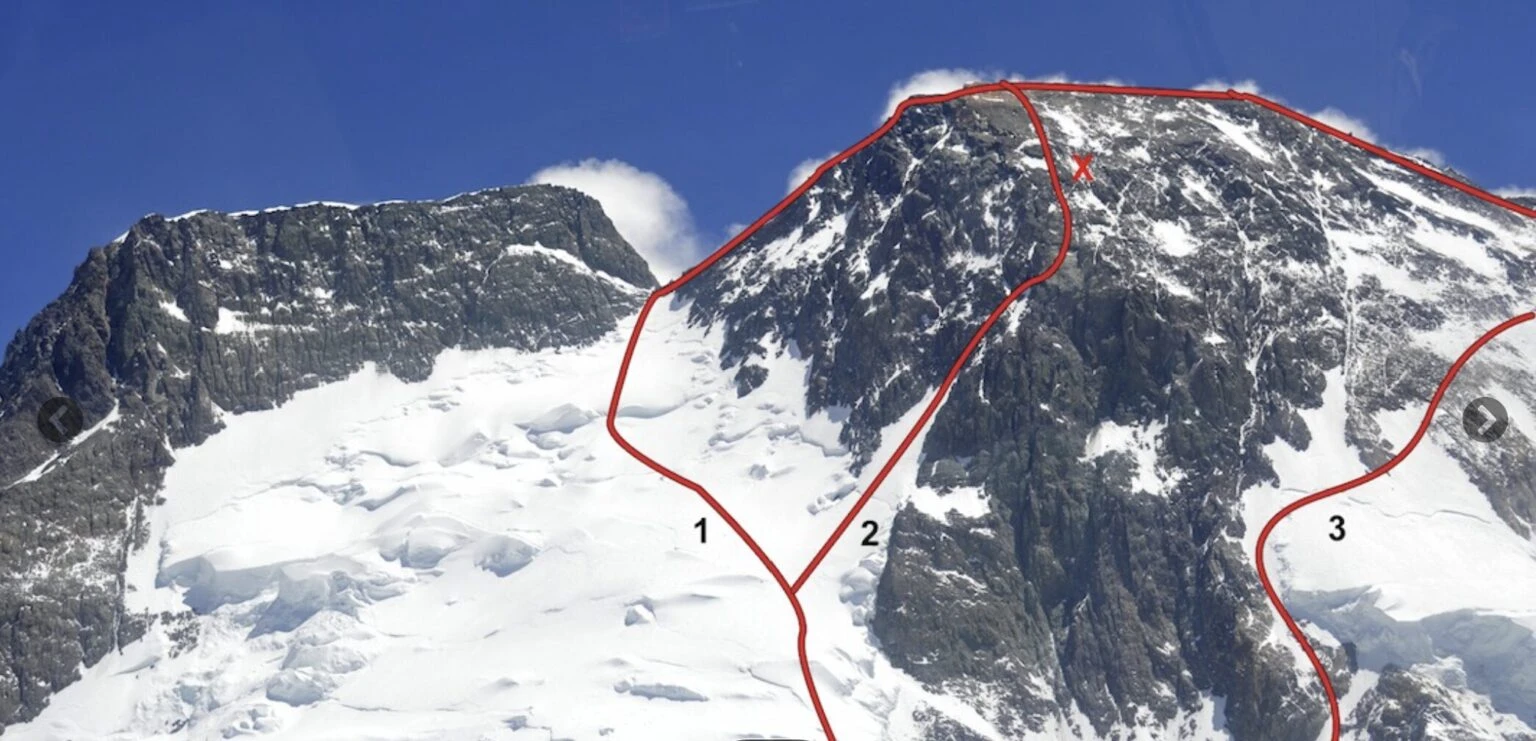
A Pakistani climbing team led by Mirza Ali successfully established a new climbing line above Camp 3 on Broad Peak, bypassing the mountain's notorious V Section—one of the most difficult and dangerous parts of the standard West Ridge route.

The team spent several days breaking trail through deep snow, rock, and ice, fixing around 1,600 metres of rope before reaching the summit.

Climbing Team

The ascent is widely regarded as one of Pakistan's most significant mountaineering achievements of 2026.

What Makes This Line Different?

Instead of climbing through the V Section, the team followed a new line above Camp 3 across steep snow, mixed rock, and ice before joining the upper summit ridge.

Potential advantages include:

If repeated successfully, the line could become an important alternative on Broad Peak.

Why Is It Being Debated?

The main question is whether the climb should be recognised as a new route or a variation of an existing route.

Some mountaineering experts note that the lower part of the ascent follows the normal route before branching off above Camp 3. Others have compared sections of the climb with Carlos Carsolio's 1994 solo ascent, arguing that further study is needed before making an official classification.

What Happens Next?

The team believes the new line offers a safer and more efficient way to reach the summit. However, many climbers say its status should be confirmed through GPS data, photographs, route comparisons, and future ascents.

Whether it is ultimately recognised as a new route or a variation, the 2026 Broad Peak ascent is already considered a major achievement in modern Himalayan and Karakoram mountaineering. As more climbers attempt the line in the coming years, its place in Broad Peak's history will become clearer.

A Pakistani mountaineering team led by Mirza Ali opened a new climbing line above Camp 3 on Broad Peak, avoiding the mountain's dangerous V Section. While climbers continue to debate whether it qualifies as a new route or a variation, the ascent is widely recognised as one of the most significant achievements of the 2026 climbing season.